Unlocking Texture: Creating Immersive Gesso Reliefs

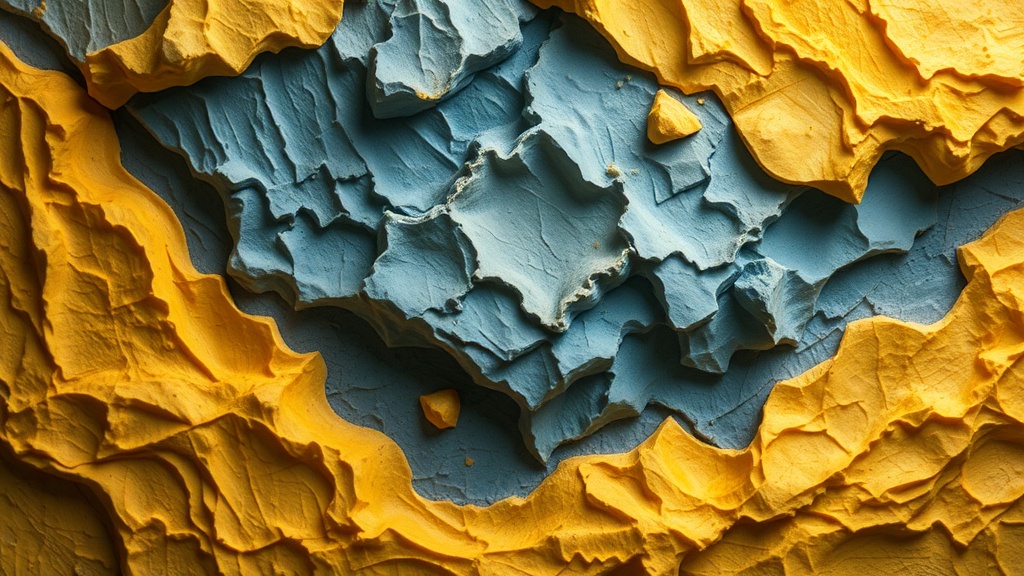
A heavy palette knife drags across a thick, viscous mound of white gesso, leaving behind a jagged ridge that looks more like a topographical map than a flat surface. As the light hits the page from a side angle, the shadow cast by that ridge transforms the journal entry from a simple two-dimensional sketch into a sculptural landscape. This is the power of relief: the ability to move beyond pigment and into the realm of physical presence. Texture invites the viewer—and more importantly, the maker—to engage with the work through touch and depth, breaking the barrier of the "flat" page.
Creating immersive gesso reliefs is not about precision or achieving a "perfect" finish. In fact, the most compelling textures often emerge from the mistakes—the drips that pool, the cracks that form as the medium dries, and the uneven ridges that defy your control. If you are feeling stuck in a cycle of perfectionism, use these tactile methods to break through. Texture is a physical manifestation of the messy, unpolished parts of our internal worlds.
The Essential Toolkit for Dimensionality
Before you begin building height on your surface, you must gather materials that can withstand the weight of heavy application. Standard watercolor paper or thin sketchbook pages will buckle under the stress of thick gesso. I recommend starting with a heavy-weight mixed media paper (at least 300gsm) or a sturdy wooden panel from a brand like Ampersand.
The Core Materials:
- Heavy Body Acrylic Gesso: Look for brands like Golden or Liquitex that offer a high viscosity. This provides the structural integrity needed for height.
- Modeling Paste or Texture Paste: While gesso is great for a base, modeling paste is specifically designed to hold much more volume and can be sculpted into much steeper peaks.
- Palette Knives: A variety of shapes is essential. A small, flexible metal offset spatula is perfect for fine detail, while a wide, blunt plastic knife is ideal for spreading large swaths of texture.
- Found Objects for Imprinting: This is where the magic happens. Think beyond the art store. Use old lace scraps, dried botanical elements like eucalyptus leaves, corrugated cardboard, or even a crumpled piece of aluminum foil.
- Stencils: Geometric or organic stencils can help direct the flow of the thick medium, creating controlled areas of high relief amidst more chaotic, free-form textures.
Technique 1: The Sculptural Build-Up
The sculptural build-up method focuses on creating height through sheer volume. This is an excellent exercise for when you feel a need to "make a mess" to release tension. Instead of painting a shape, you are building a physical object on your page.
Step-by-Step Instructions:
- Prepare the Base: Apply a thin, even layer of acrylic gesso to your surface. This ensures that your heavy layers have something to "grip" onto. Let this dry completely.
- The Mound Method: Using a large palette knife, scoop up a generous amount of modeling paste or heavy-body gesso. Place it onto the page in a central area. Do not try to spread it thin; leave it thick, like a dollop of frosting on a cake.
- Manipulation: Use the edge of your knife to pull the paste outward or upward. You can create "peaks" by lifting the knife straight up at the end of a stroke. If you want a more organic look, use your fingers (wear gloves if you prefer) to knead the paste directly onto the paper.
- Drying Time: This is the hardest part for many makers. A thick relief can take 24 to 48 hours to dry fully. Do not attempt to paint over it while it is still damp, or you risk cracking the surface prematurely.
Pro Tip: If you find yourself obsessing over the smoothness of the peaks, stop. Step away from the desk. The goal is to embrace the unevenness. The shadows created by an "imperfect" ridge are what give the piece its soul.
Technique 2: Imprint and Impression
If you prefer a more controlled way to introduce texture, the imprint method allows you to "stamp" a pattern into the wet medium. This creates a beautiful interplay between the raised texture and the recessed valleys.
Step-by-Step Instructions:
- Apply the Medium: Spread a layer of modeling paste roughly 1/4 inch thick across your desired area. It should be thick enough to hold a shape but not so thick that it collapses under its own weight.
- Select Your Imprint Tool: I love using organic materials. A piece of textured fabric, a dried fern leaf, or even a piece of bubble wrap works beautifully.
- The Press: Lay your object onto the wet paste. Apply firm, even pressure. If you are using a delicate object like a leaf, you may want to place a piece of parchment paper over it first to prevent the paste from sticking to the object itself.
- The Lift: Lift the object straight up to avoid smearing the edges. You will see a perfect, three-dimensional "ghost" of the object left in the paste.
- The Reveal: Leave the object in place until the paste is completely dry. Once dry, you can carefully peel it away or leave it embedded in the surface for a more permanent, sculptural effect.
Once your relief is dry, you can use thin glazes of acrylic paint to highlight the texture. A dark wash of Burnt Umber or Payne's Gray will settle into the deep recesses, while a light dry-brush of Titanium White will catch the high points, making the texture "pop" visually.
Integrating Texture with Color and Light
Texture is a structural element, but it is also a vehicle for light. When you move from the "building" phase to the "coloring" phase, your approach to paint must change. If you use heavy-body paint directly over your relief, you may fill in all the beautiful valleys you just worked so hard to create.
The Glazing Technique:
Instead of thick paint, use highly diluted acrylic paint or liquid inks. A "wash" allows the pigment to flow into the crevices of your gesso relief without obscuring the physical shape. For example, if you have created a deep, cratered texture using modeling paste, a watery wash of Indigo or Deep Crimson will settle into the bottom, creating natural shadows that emphasize the depth.
The Dry Brush Technique:
Once your base colors are dry, take a stiff-bristled brush with very little paint on it. Lightly skim the surface of your relief. The paint will only hit the highest ridges of the gesso, leaving the valleys untouched. This is an incredibly satisfying way to reveal the work you've done and can be used to add highlights or "weathered" looks to your art journal pages.
"Texture is the physical language of the subconscious. It is the part of the art that refuses to be ignored, much like the parts of ourselves we try to smooth over."
Managing the Mess: A Note on Creative Anxiety
It is common to feel a sense of dread when working with materials that are "messy" or "uncontrollable." If you find yourself gripping your palette knife too tightly or feeling the urge to clean up a drip immediately, take a breath. The very thing that feels like a mistake—the way the gesso pools or the way a stencil leaves an uneven edge—is where the character lives. If you are struggling with a perfectionist spiral, try a "controlled mess" session. Set a timer for 15 minutes and tell yourself that you are not allowed to make anything "pretty." Your only goal is to create as much physical height and jaggedness as possible. By giving yourself permission to make "ugly things," you strip the medium of its power to judge you.
If you find that your tools are becoming caked with dried paste, do not throw them away. You can often recover them with a bit of care. For more on maintaining your toolkit, see my guide on reviving brushes using the saltwater soak method.
As you experiment with these relief techniques, remember that your journal is a safe space for exploration. Whether you are building a mountain of white gesso or a delicate lace imprint, you are documenting a moment in time through a tactile, physical medium. Let the texture be as deep and complex as the experiences you are processing.
Steps
- 1
Prepare Your Surface
- 2
Mix Your Medium
- 3
Apply with Tools
- 4
Dry and Sand