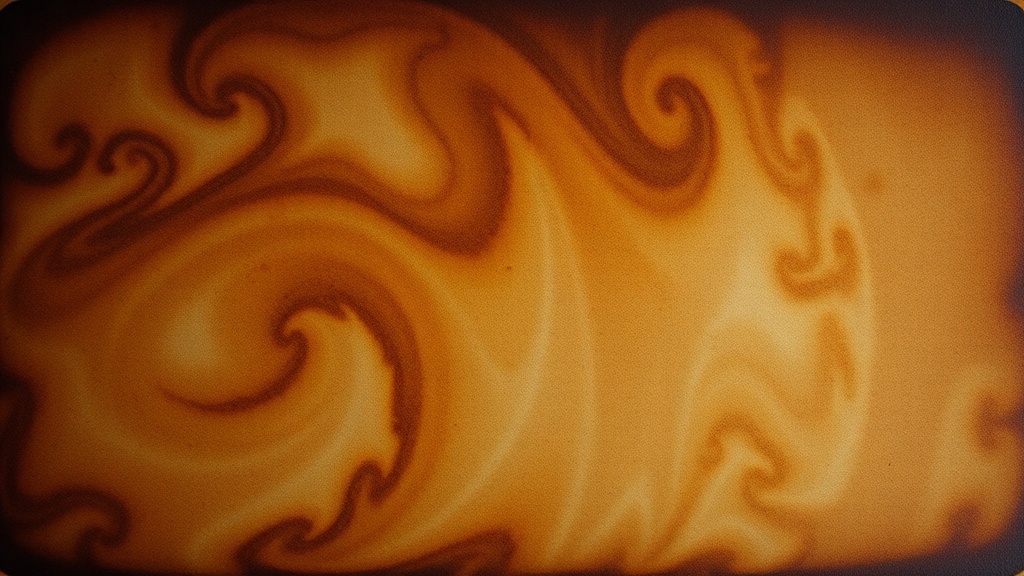
6 Ways to Use Coffee and Tea Stains for Vintage Textures

The Concentrated Brew Method
Salt and Splatter Textures
Layering with Dried Tea Bags
Creating Subtle Gradient Washes
Using Coffee as a Watercolor Substitute
Adding Detail with Fine Brushes
Have you ever looked at a blank, bright white page in your journal and felt that sudden spike of intimidation? You want texture, depth, and that aged, "found" look, but you don't want to spend a fortune on expensive specialized papers. This guide explores how to use coffee and tea stains to create organic, vintage-looking surfaces in your art journal. We'll cover everything from basic staining techniques to more advanced layering methods that add grit and character to your mixed media work.
How Do I Make Coffee Stains for Art Journaling?
To make coffee stains, brew a concentrated batch of coffee using a dark roast for deep browns or a lighter roast for subtle, sepia tones. The darker the brew, the more pigment it holds. You don't need a fancy machine—a simple French press or even a standard drip coffee maker works perfectly.
I like to use coffee because it has a natural acidity that reacts beautifully with certain pigments. If you want a more yellowish, antique tint, green tea or black tea is your best bet. Tea tends to produce a softer, more translucent stain than the harsh, dark pigments found in coffee.
Grab a small bowl and some old coffee grounds. You can actually use the leftover grounds to create physical texture on the page as well. It’s a bit messy, but that’s the point—embrace the mess. (And don't worry about the smell; it actually makes the studio feel cozy.)
The Basic Staining Toolkit
- A wide brush: A cheap, synthetic brush or an old, frayed watercolor brush works best.
- Spray bottle: A simple water mister helps distribute the liquid unevenly for a more organic look.
- Sponges: Sea sponges or even torn pieces of kitchen sponges create wonderful "pockmark" textures.
- Droppers: For controlled, concentrated spots of color.
What Are the Best Ways to Create Vintage Texture?
Creating vintage texture involves more than just pouring liquid on a page; it's about controlled imperfection. You can use coffee or tea to mimic the look of aged parchment, weathered wood, or stained-glass edges. Here are six specific ways to manipulate these liquids for your art practice.
1. The Splatter and Drip Method
This is the easiest way to break the "perfection" of a new page. Dip a stiff-bristled brush into your coffee and flick it toward the paper. You'll get tiny, unpredictable dots that look like age spots. If you tilt your journal at an angle, you can let the coffee drip down the page to create vertical "veins" of color. It's a great way to practice playing with watercolor and ink without fear because you're leaning into the randomness of the liquid.
2. Salt and Coffee Interaction
If you want to add a gritty, crystalline texture, try the salt method. Apply a wet wash of coffee or tea to your paper, then immediately sprinkle coarse sea salt or even table salt over the wet surface. The salt pulls the pigment toward itself, creating starburst patterns and textured "blooms" as it dries. This is a fantastic way to add movement to a static piece.
3. Using Stencils for Controlled Aging
Sometimes you want the vintage look, but you still want a specific shape to show through. Place a stencil—maybe a botanical shape or a geometric pattern—on your paper and brush the coffee around the edges. When you lift the stencil, you'll have a clean shape surrounded by a weathered, stained border. This creates a beautiful contrast between the "clean" and the "old."
4. The "Crinkled Paper" Technique
This is a favorite of mine when I'm feeling particularly experimental. Take a piece of plain watercolor paper, crumple it into a tight ball, and then flatten it back out. Once it's slightly "crinkled," lay it flat and brush your tea or coffee over the surface. The liquid will settle deeply into the creases, highlighting every single fold and ridge. It makes the paper look like an ancient map or a weathered document.
5. Layering with Coffee and Ink
For more depth, try layering your stains with different mediums. You might start with a light tea wash, let it dry completely, and then add a concentrated coffee drip. Once that is dry, try adding a fine-liner pen or a bit of ink. The way the ink interacts with the dried coffee residue creates a beautiful, tiered effect. It’s a great way to practice mixed media techniques that add unexpected grit.
6. The Sponge Dab
Instead of a brush, use a sea sponge or a torn piece of a paper towel. Dip it into the coffee and dab it onto the page. This creates a mottled, uneven surface that looks much more "real" than a flat wash. It mimics the look of water damage or old, weathered stone. It’s also a great way to build up color in specific areas without covering the entire page.
| Method | Visual Result | Best Used For... |
|---|---|---|
| Splatter | Tiny dots and specks | Adding "age spots" and grit |
| Salt Method | Starbursts and textures | Creating organic, cellular looks |
| Crinkled Paper | Deep creases and folds | Making paper look like old parchment |
| Sponge Dab | Mottled, uneven wash | Adding weathered, stone-like textures |
How Much Coffee Should I Use for a Single Page?
The amount of liquid you use depends entirely on the weight of your paper. If you're using a heavy mixed-media paper, you can be quite generous with your coffee or tea. However, if you're working in a standard journal with thinner pages, use a much lighter hand to prevent the paper from buckling or tearing.
A good rule of thumb is to work in layers. It's much better to apply three very thin, light washes of tea than to pour one large cup of coffee onto the page. If you're worried about the paper warping, try using a hair dryer on a low, cool setting to dry the layers as you go. This helps keep the paper flatter while still allowing the pigment to settle into the fibers.
Worth noting: If you're using a journal with a hard cover, be careful not to let the liquid soak through to the next page. You can place a piece of scrap paper or a blotter underneath your working page to protect the rest of your journal. This is especially important if you're using a lot of liquid for the crinkling technique.
Don't be afraid to fail. Sometimes the coffee might pool in a way you didn't intend, or the salt might create a shape that looks a bit too "messy." That's okay. In my practice, I've learned that these "mistakes" often become the most interesting parts of the piece. If a stain doesn't go where you wanted, let it dry, and then paint over it with a different color or a bit of white gouache to reset the area.