Stop Cleaning Your Brushes Too Aggressively

Quick Tip
Always use a gentle swirling motion rather than vigorous scrubbing to protect the bristles.
Stop Cleaning Your Brushes Too Aggressively
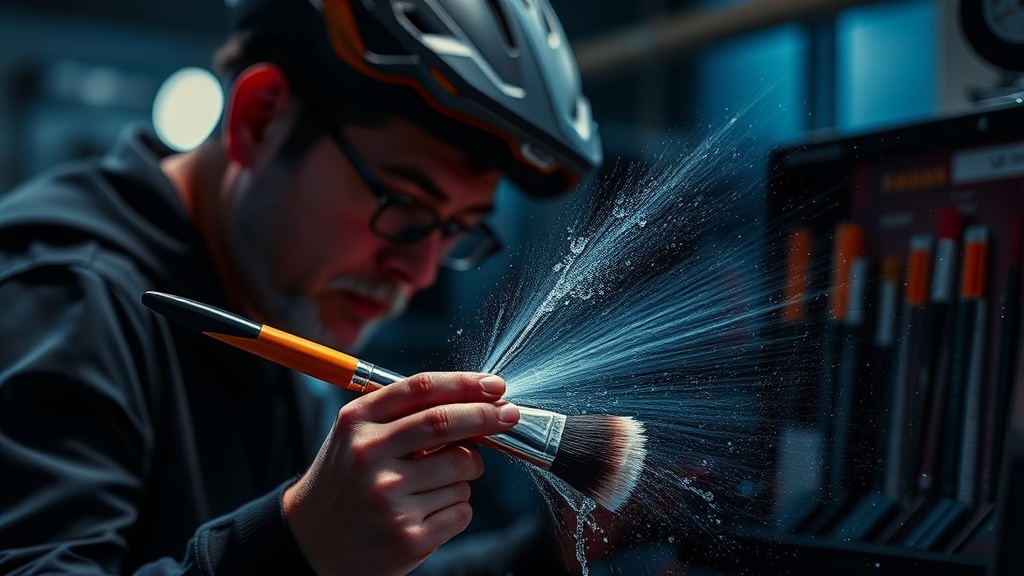
Do you find yourself scrubbing your brushes with frantic energy every time you switch colors? While keeping your tools clean is important, over-cleaning—especially during a creative flow—can actually sabotage your art and your mental state. This post is about how excessive cleaning disrupts your momentum and how a more intentional approach to tool maintenance can keep your art journaling practice feeling fluid rather than rigid.
The Cost of Perfectionism in Maintenance
When we are in the middle of a mixed-media session, the urge to return to a "perfect" state is often a symptom of anxiety. You might feel the need to scrub a Winsor & Newton watercolor brush until every trace of pigment is gone before moving to the next color. However, this habit does two things: it wears down the delicate bristles of your brushes, and it creates a mental barrier to the "messy" part of the process. If you are constantly focused on the cleanliness of your tools, you aren't focusing on the expression of your thoughts.
Aggressive scrubbing with soap and water can also damage the ferrule and the shape of the brush head. If you are working with heavy acrylics or gouache, a quick rinse in a jar of water is often enough to transition between colors. If you find that your tools are becoming unruly or losing their intended form, you might want to read more about why your brush strokes are losing their shape.
Practical Tips for Mindful Tool Care
To keep your practice focused on creation rather than maintenance, try these three practical shifts:
- Use a Two-Jar System: Instead of scrubbing with soap every time you change colors, use one jar for the initial rinse and a second jar of clean water for the final rinse. This allows you to move through colors much faster without the interruption of a full cleaning cycle.
- Embrace the "Dirty" Transition: In mixed-media journaling, a little bit of leftover pigment from a previous color can actually add depth and character. Allow a tiny bit of the previous hue to remain in the bristles to create more organic transitions.
- Set a "Clean-Up" Timer: If the urge to clean is driven by a need for order, tell yourself you will only do a deep clean once you have finished your current page or a specific layer. This keeps your creative momentum intact.
The goal of art journaling is to allow yourself the permission to make "ugly" or imperfect things. That permission should extend to your tools. A slightly stained brush is not a failure; it is a record of the work you are doing.