
How to Start an Art Journal When You Feel Stuck (A Gentle, Messy Beginner’s Guide)

Hey friend… can I show you something?
I was sitting on the floor last night with my journal open and absolutely no idea what to put on the page. Not inspired. Not motivated. Just… stuck. And instead of closing the book (which I almost did), I made the messiest, simplest page I’ve made in weeks.
And it helped. Not because it was “good” — it really wasn’t — but because I showed up anyway.
If you’ve ever opened your journal and felt that blank-page freeze… this is for you.
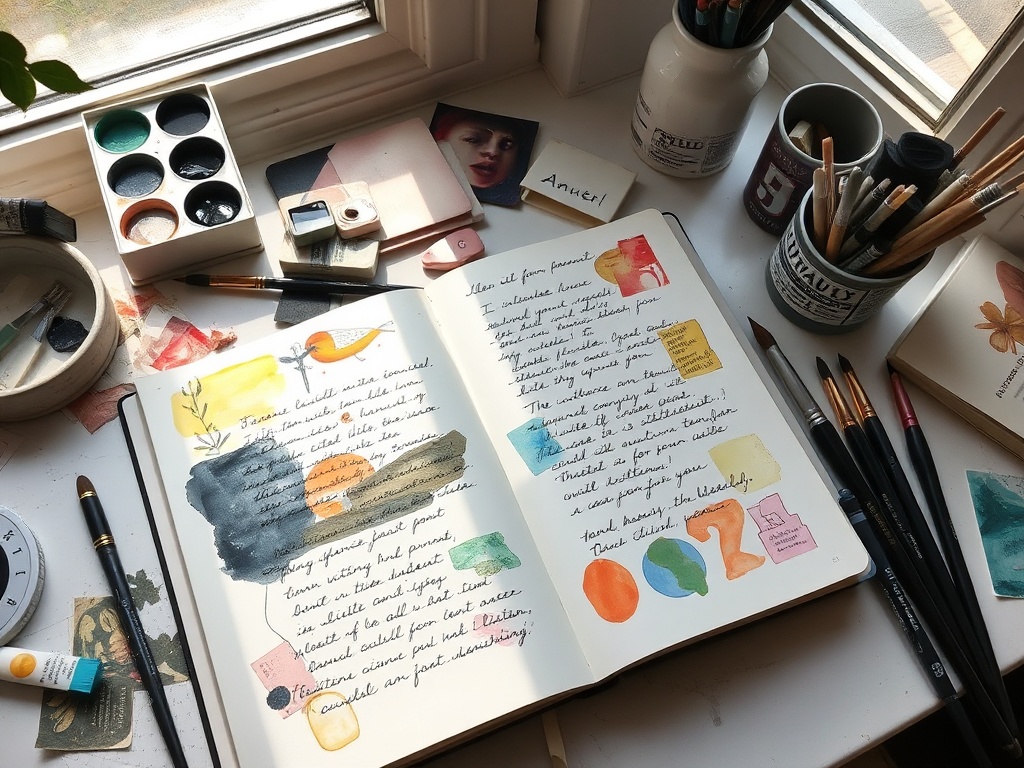
What “Feeling Stuck” Actually Looks Like
Let’s name it for a second, because I think we all pretend this doesn’t happen.
Feeling stuck can look like:
- Staring at a blank page for 10 minutes and closing the journal
- Comparing your pages to someone else’s and deciding yours aren’t “good enough”
- Having supplies but no idea what to DO with them
- Feeling too tired to be “creative”
None of that means you’re doing anything wrong. It just means… you’re human.
Art journaling isn’t about constant inspiration. It’s about showing up even when your brain is like, “we’ve got nothing.”
A Gentle Way to Start (When You Have Zero Ideas)
This is what I did last night. You can follow it exactly or ignore half of it — both count.
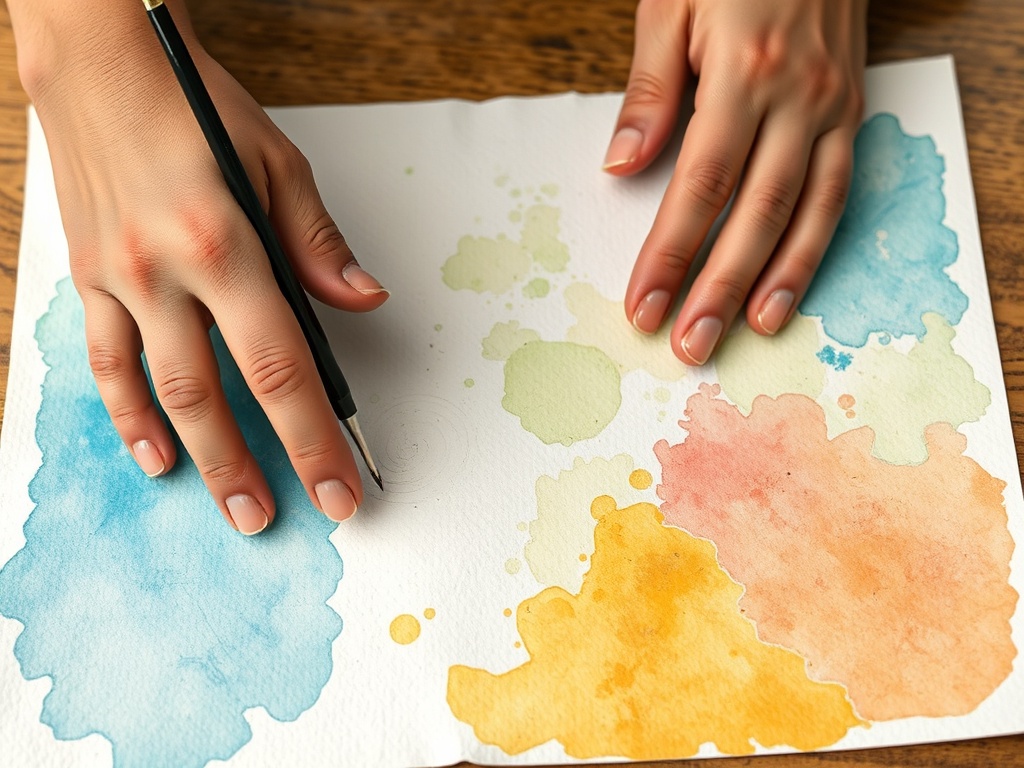
Step 1: Pick One Color (Just One)
Not a palette. Not a theme. Just one color.
I picked a muddy blue because it matched how I felt. You might pick yellow, or gray, or something completely random.
Cover part of the page with it. Doesn’t have to be neat. Doesn’t have to make sense.
Pro tip: If watercolor feels intimidating, use a marker, crayon, or even just a pen and scribble. Same effect.
Step 2: Make One Messy Mark
This is the part where perfection tries to sneak in. Don’t let it.
Make a mark you can’t undo:
- A scribble
- A streak of paint
- A ripped piece of paper glued down crooked
Once the page isn’t “perfect” anymore, it gets easier. I promise.
Step 3: Add One Real Sentence
Not something poetic. Not something impressive.
Just something true.
Mine was: “I don’t know what I’m doing tonight.”
That was enough to unlock the rest of the page.
Step 4: Respond to What’s There
Now you’re not starting from nothing anymore — you’re responding.
Add another color. Circle a word. Glue something down. Write over it. Under it. Around it.
This is where the page starts to feel like a conversation instead of a test.
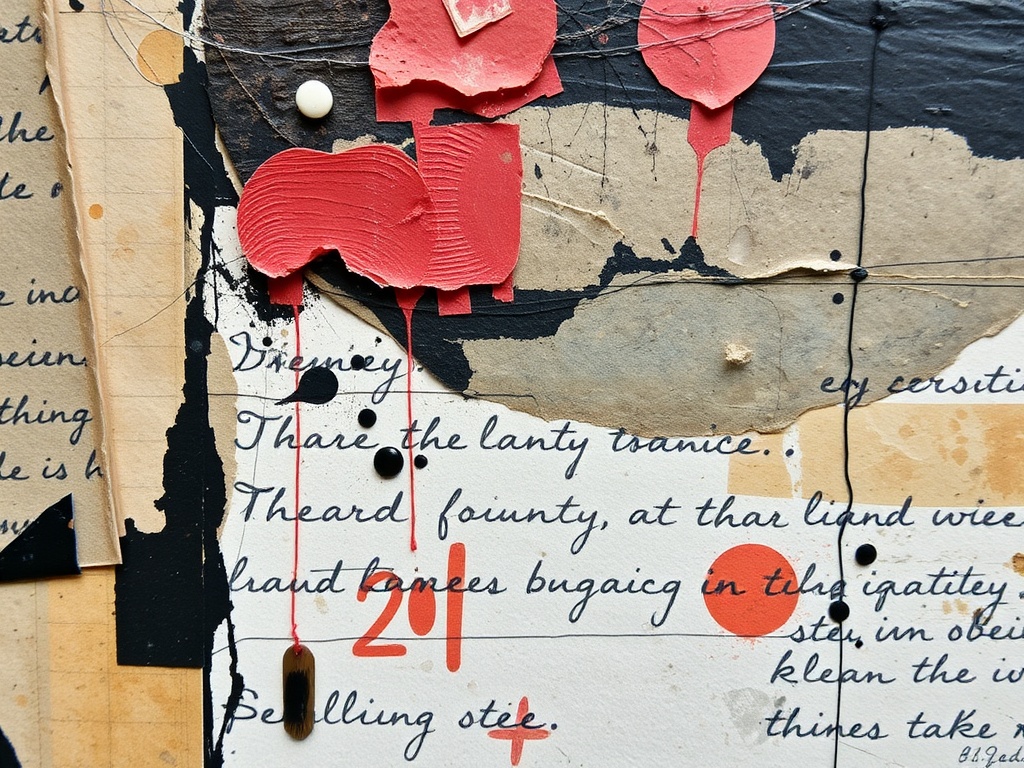
What Can Go Wrong (And Why That’s Actually the Point)
Let’s talk about the things that might happen…
- The colors turn muddy
- The page wrinkles
- The composition feels “off”
- You don’t like it when you’re done
All of that? Completely normal.
Some of my favorite pages started as ones I almost tore out.
And even the ones I still don’t love… they did their job. They gave my brain somewhere to put things.
Supplies (Keep It Simple — Please)
You do NOT need a full art store to do this.
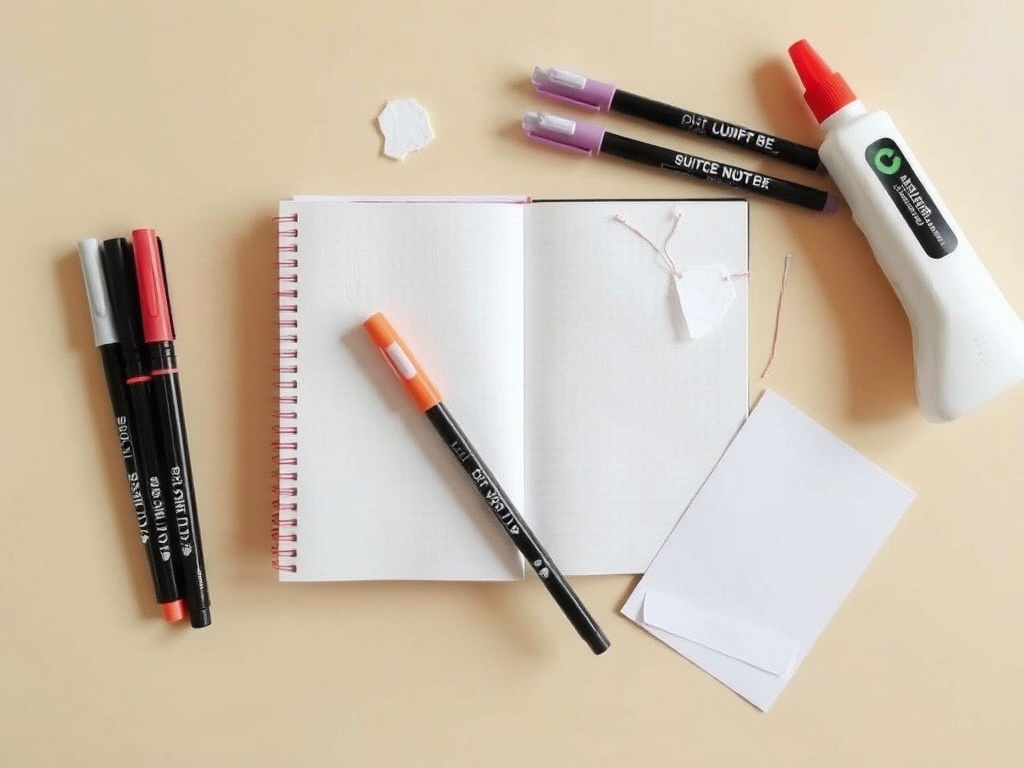
- Any notebook or sketchbook
- Something to add color (cheap watercolor set, markers, crayons)
- Glue stick (seriously, glue sticks are underrated)
- Scraps (receipts, old magazines, packaging)
That’s it. Truly.
If you already have fancier supplies, great. If not, you’re not missing anything important.
When You Still Don’t Feel Like It
This matters, so I’m going to say it gently…
You don’t have to journal every day.
You don’t have to finish the page.
You don’t even have to like it.
Showing up for five minutes and making one mark counts.
Closing the journal after that? Also counts.
This is a practice, not a performance.
A Small Prompt (If You Want One)
If you’re still stuck, try this:
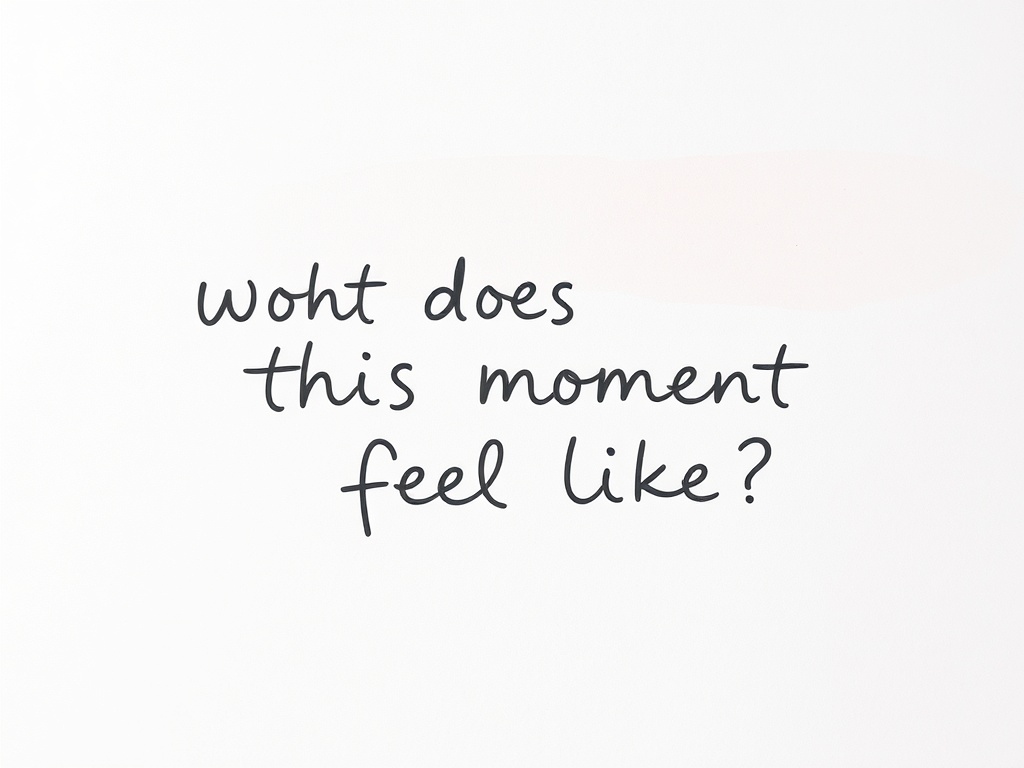
“What does this moment feel like?”
Not your whole life. Not your future. Just right now.
Answer it with color. Or words. Or scraps. Or one tiny corner of a page.
Before You Go…
I want to remind you of something I forget all the time too:
There is no version of this where you’re doing it wrong.
A blank page with one scribble on it? That’s an art journal page.
A layered, messy, chaotic spread? Also an art journal page.
You showing up at all? That’s the whole practice.
If you make a page from this — messy, simple, weird, unfinished — I’d really love to see it.
Share it. Or don’t. Both are valid.
Just… open the journal again tomorrow.
That’s enough.