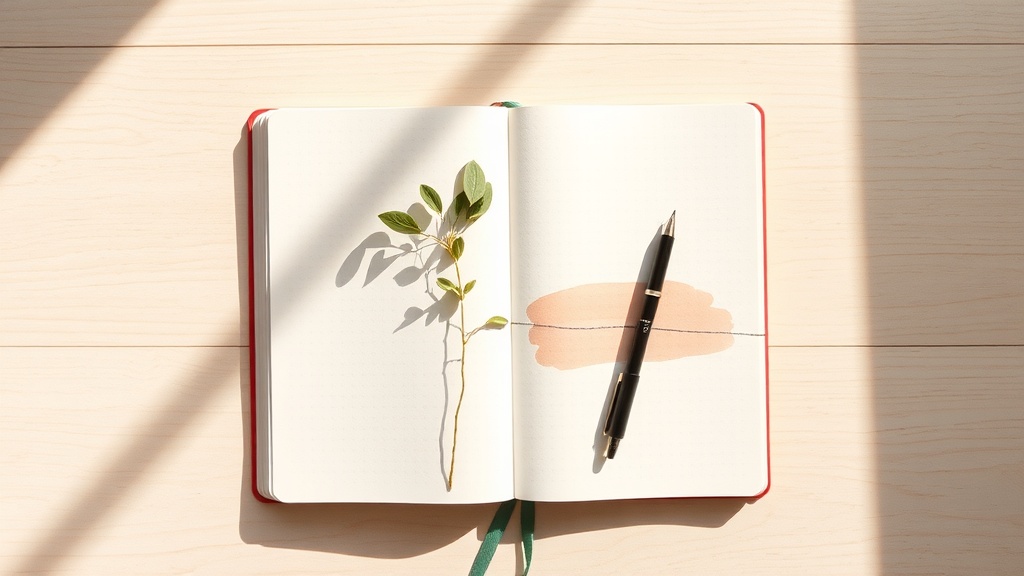
Spring Refresh: Embracing Minimalism in Your Art Journal

Spring Refresh: Embracing Minimalism in Your Art Journal
Excerpt (150‑160 chars):
Spring cleaning isn’t just for closets—declutter your art journal with minimalist habits that spark fresh creativity and calm the mind.
Hook
Ever opened your art journal and felt overwhelmed by a chaotic collage of colors, stickers, and half‑finished ideas?
What if the secret to more joyful pages is actually less rather than more?
Context
Spring is our natural cue to clear out the old and make space for new growth. I’ve spent countless seasons wrestling with pages that feel too busy, and I’ve learned that a minimalist mindset can be a game‑changer for both creativity and mental well‑being. In this quick‑hit guide, I’ll walk you through how to apply the spirit of spring cleaning to your art journal, so you can fill each page with intention, calm, and a dash of seasonal sparkle.
What is Minimalist Art Journaling and Why Try It Now?
Minimalist art journaling isn’t about stripping away your personality—it’s about highlighting the parts of your practice that truly matter.
By focusing on fewer elements, you give each line, wash, or texture room to breathe. The result? Pages that feel intentional, less stressful, and—most importantly—still messy in the ways that matter.
“There’s no wrong way to fill a page, but there is a way that feels lighter on the soul.” — Renna
How Can Spring Cleaning Inspire a Minimalist Journal?
Declutter Your Supplies
Pull out every pen, stamp, and scrap. Keep only what you love using regularly. Store the rest in a labeled box for “later.” This mirrors the classic spring‑cleaning mantra: if it doesn’t spark joy, let it go.
Audit Existing Pages
Flip through your recent spreads. Highlight the elements that truly resonated with you—maybe a watercolor wash or a single pressed flower. Archive the rest in a “review folder” to revisit later.
Set a Seasonal Intent
Write a brief intention at the start of each new spread: “I’ll explore negative space this week.” This tiny ritual keeps your practice aligned with the season’s fresh energy.
Which Supplies Support a Clean, Uncluttered Aesthetic?
| Supply | Why It Works | Minimalist Tip |
|---|---|---|
| Fine‑line pens | Precise lines keep compositions tidy. | Choose one or two ink colors and stick with them. |
| Watercolor pans | Soft washes add depth without clutter. | Use a limited palette (e.g., pastel greens, blues). |
| Washed paper | Subtle texture adds interest without busy patterns. | Opt for a neutral tone—cream or light gray. |
| Minimalist stickers | Small visual anchors, not distractions. | Use sparingly—one per page at most. |
| Gold leaf or foil | Highlights focal points elegantly. | Apply to a single word or shape per spread. |
Pro tip: I keep a small “minimalist kit” on my desk—just a pen, a couple of watercolor pans, and a strip of washi tape. When the kit is simple, the pages follow suit.
What Simple Page Layouts Boost Creativity?
1. The One‑Element Focus
Question: How can I build a page around a single visual element?
Pick one focal point—like a leaf, a quote, or a color swatch. Build the entire spread around that element using negative space to let it breathe. The result feels like a visual haiku.
2. The Split‑Page Dialogue
Question: Can I balance minimalism with storytelling?
Divide the page vertically. On the left, place a simple sketch; on the right, write a short reflection or prompt. The clean line between sections adds structure without overwhelming the eye.
3. The Layered Wash
Question: How do I add depth without adding clutter?
Create a light watercolor wash that covers the whole page, then layer a single ink drawing or collage piece on top. The wash acts as a subtle backdrop, letting the focal element pop.
How to Maintain a Minimalist Practice Without Feeling Restricted?
- Schedule “Minimalist Minutes.” Set a timer for 10 minutes each day and commit to using only one medium.
- Rotate Your Palette. Every month, swap out one color or material. This keeps things fresh while staying minimal.
- Embrace Imperfection. If a page feels too spare, add a tiny doodle or a handwritten note. Remember: Messy is beautiful—even a minimalist page can have a happy accident.
Takeaway
Spring is the perfect moment to clear the visual clutter in your art journal. By decluttering supplies, setting intentional prompts, and using simple layouts, you’ll discover a calmer, more focused creative flow. Give it a try this week—pick one minimalist habit, apply it to a fresh page, and notice how much lighter your practice feels.
Ready to start? Grab your minimal‑kit, set a spring intention, and let your next spread breathe.
Related Reading
- Your Art Journal Isn't Finished? Start a New One Anyway (A Spring Reset) — How I turned a fresh notebook into a seasonal ritual.
- The Messy In‑Between: Journaling When You Feel Stuck — Overcoming creative blocks with imperfect pages.
- Sunday Self‑Care: A 20‑Minute Art Journaling Ritual for Rest — A calming practice that pairs perfectly with minimalist pages.
Sources & Further Inspiration
- The Minimalists – Living a Meaningful Life with Less: https://www.theminimalists.com/
- Mayo Clinic – How Decluttering Reduces Stress: https://www.mayoclinic.org/healthy-lifestyle/stress-management/in-depth/decluttering/art-20487924
- Psychology Today – Spring Cleaning for the Mind: https://www.psychologytoday.com/us/blog/creative-mind/202303/spring-cleaning-the-mind
Tags: spring, minimalism, art journaling, declutter, creativity
{
  "meta": {
    "faqs": [
      {
        "question": "Do I need a brand‑new journal to try minimalist art journaling?",
        "answer": "No. You can start with any existing notebook—just clear a few pages and adopt the minimalist habits."
      },
      {
        "question": "How many colors should I use in a minimalist spread?",
        "answer": "Aim for 2‑3 colors max; a limited palette keeps the page cohesive and calm."
      },
      {
        "question": "Can I still be messy if I’m going minimalist?",
        "answer": "Absolutely. Messy is beautiful—let a single happy accident become the focal point of your clean layout."
      }
    ],
    "featuredImageAlt": "Open art journal on light wood table with pastel watercolor wash, fine‑line pen, and fresh green leaf, bright spring daylight"
  }
}