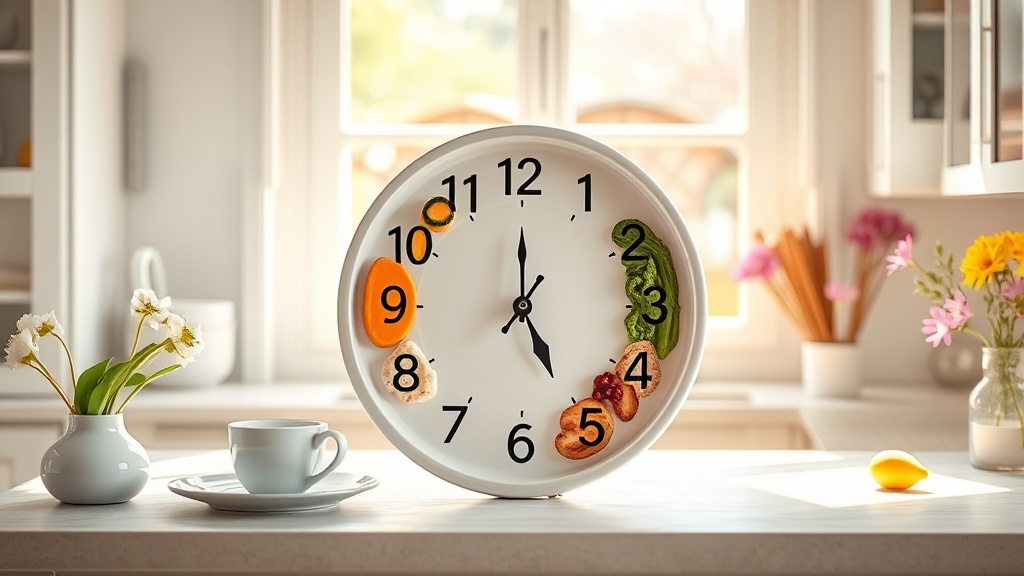
My Personal Bio‑Harmony Plan: Tailoring Meal Timing to Your Unique Clock

Ever wondered why you feel sluggish after lunch but energized after a mid‑afternoon snack? The secret might be that your meals are out of sync with your internal clock. Aligning what you eat with your personal circadian rhythm can boost digestion, steady energy, and even improve sleep.
In this article I’ll share how I mapped my own rhythm, built a flexible meal‑timing plan for spring 2026, and the tools that keep me on track.
What Is Bio‑Harmony and Why Does It Matter?
Bio‑harmony is the practice of syncing your eating patterns with the natural ebb and flow of your body’s 24‑hour clock. When you eat at times that match your hormone peaks‑like cortisol in the morning or melatonin at night‑you support optimal metabolism, gut health, and mental clarity.
How Can I Discover My Own Circadian Eating Window?
Everyone’s rhythm is slightly different, but you can pinpoint yours with three simple steps:
- Track energy spikes. For a week, note when you feel most alert after meals. Use a journal or a note‑taking app.
- Measure body temperature. A slight dip in core temperature after 2 am often signals your natural sleep onset. My earlier post on metabolism explains how temperature ties to digestion.
- Test a 12‑hour eating window. Start eating between 8 am and 8 pm. Adjust the start/end times based on the energy data you collected.
Which Foods Align Best With Different Times of Day?
Here’s a quick guide that matches food types to typical hormone peaks:
- Morning (6 am‑10 am): Protein‑rich foods (eggs, Greek yogurt) support cortisol‑driven alertness.
- Mid‑day (11 am‑2 pm): Light carbs (fruit, whole‑grain toast) fuel the post‑lunch dip without causing a crash.
- Afternoon (3 pm‑6 pm): Healthy fats (avocado, nuts) sustain steady energy as insulin sensitivity wanes.
- Evening (7 pm‑9 pm): Easy‑digesting veggies and lean protein help prep the body for melatonin‑driven rest.
What Tools Can Help Me Stay Consistent?
I rely on a handful of apps that remind me when to eat and log how I feel. My Bio‑Harmony Toolkit breaks down each one, from simple timer apps to sophisticated circadian‑tracking platforms.
How Do I Adjust My Plan for Spring 2026?
Spring brings longer daylight, which naturally shifts your melatonin release later. I extend my eating window by 30 minutes each month until I’m eating until 9 pm in June. This gradual shift keeps my body in harmony with the changing light.
What Are Common Mistakes and How Can I Avoid Them?
- Skipping breakfast. Even a light protein snack kick‑starts cortisol and prevents late‑day cravings.
- Eating heavy meals right before bed. This can delay melatonin production and disrupt sleep quality.
- Ignoring personal signals. If you feel hungry earlier or later than your window, adjust‑your rhythm is personal, not a rigid schedule.
Where Can I Find More Bio‑Harmony Inspiration?
Check out these related posts for deeper dives:
- Bio‑Harmony & Circadian Eating: Practical Steps for Spring 2026
- Sunrise to Sunset: Simple Meal Timing Hacks for Spring Energy
- Top 10 Lifestyle Trends Defining 2026: Bio‑Harmony and Circadian Eating
Takeaway: Your First 7‑Day Bio‑Harmony Sprint
Ready to test your rhythm? Try this quick sprint:
- Day 1‑2: Record energy levels after each meal.
- Day 3‑4: Pick a 12‑hour window based on your notes.
- Day 5‑7: Follow the window, using the food guide above, and note any changes in focus or sleep.
At the end of the week, you’ll have a data‑backed window that feels natural. Adjust as the seasons shift, and watch your energy stay steady all day long.