Mastering Visual Storytelling: A Comprehensive Guide for Artists

Introduction to Visual Storytelling
Visual storytelling is more than just creating beautiful images; it's about communicating a narrative through color, composition, and subject matter. Whether you're a painter, illustrator, or digital artist, mastering this skill can elevate your art from mere decoration to an emotionally resonant experience. This guide will walk you through essential strategies, techniques, and practices to craft compelling visual stories.
Understanding Narrative in Art
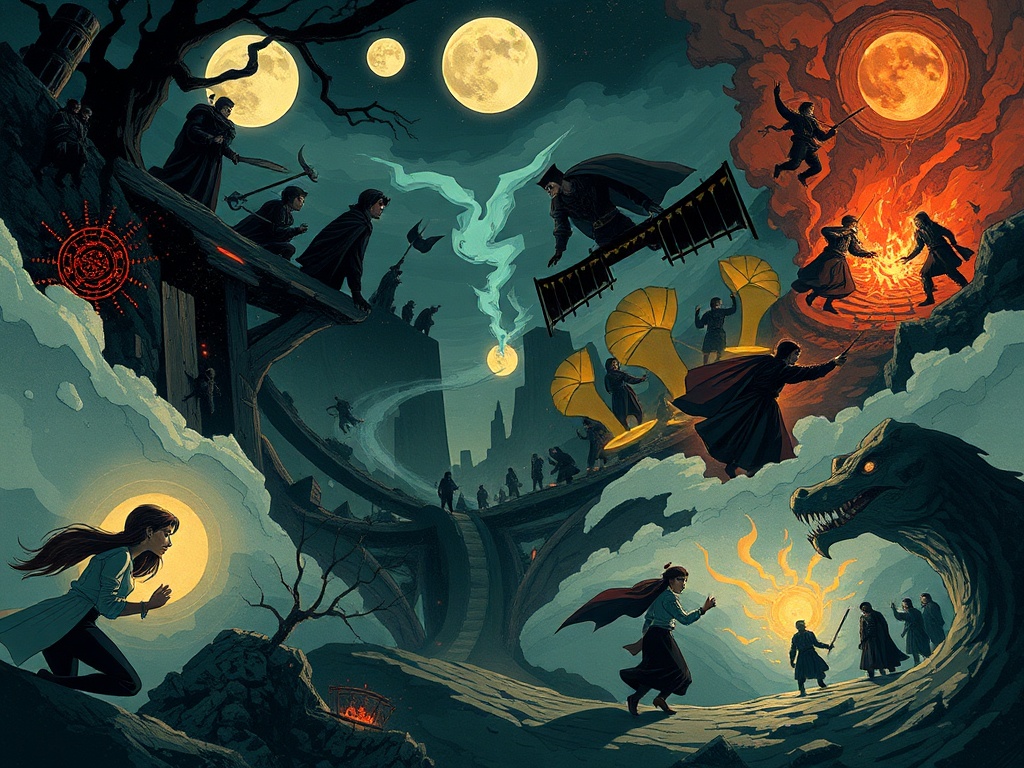
Every artwork tells a story, even if it's abstract. Begin by identifying the core message or emotion you wish to convey. Consider the following elements:
- Theme: Define a central idea, whether it's love, conflict, or personal transformation.
- Characters: Human figures, animals, or symbolic forms can serve as protagonists in your visual narrative.
- Setting: The environment can amplify mood, time period, and context.
- Conflict: Introducing tension or contrast makes the story engaging.
Choosing the Right Medium
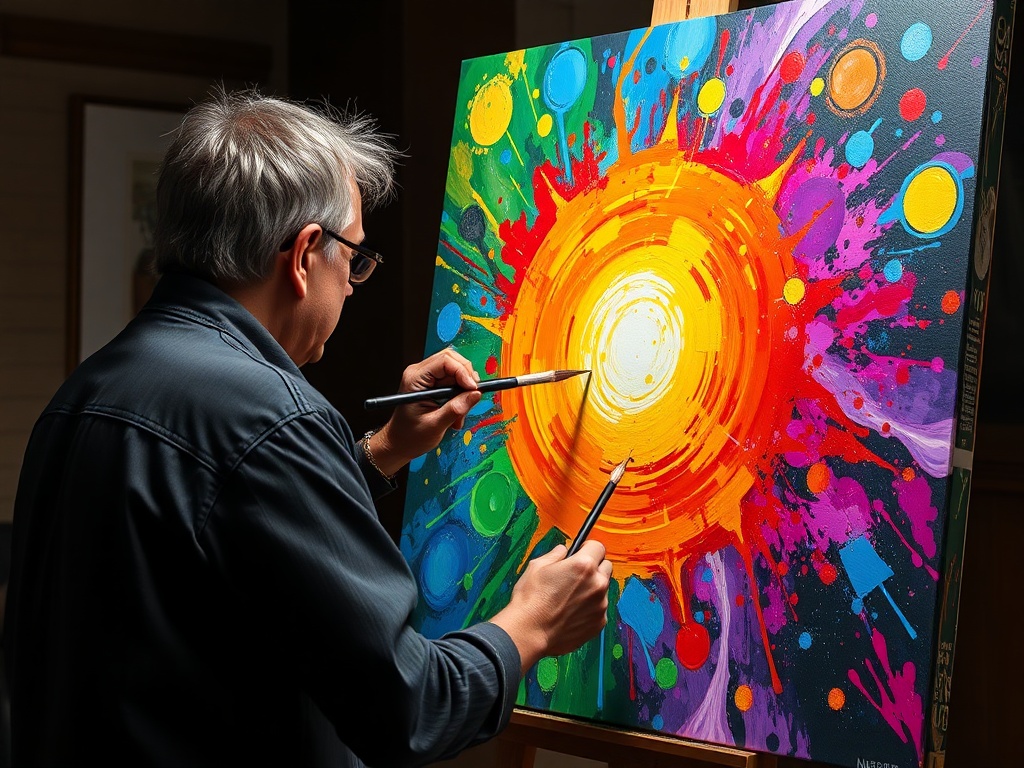
Your medium can significantly impact how your story is perceived. Acrylics allow bold colors and textures, watercolors offer subtlety and fluidity, and digital tools provide endless experimentation. Choose a medium that aligns with your narrative intent.

Composition Techniques for Storytelling
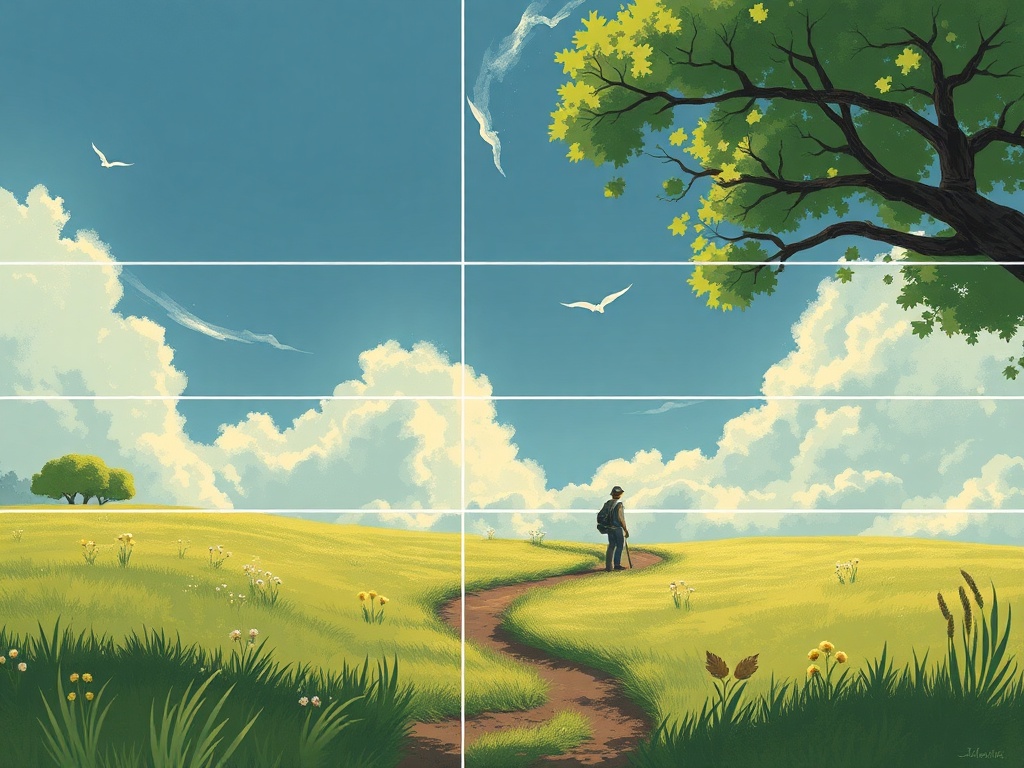
Composition guides the viewer's eye and highlights the story's key elements. Consider these techniques:
- Rule of Thirds: Place focal points along grid intersections to create balance.
- Leading Lines: Use lines to direct attention toward main subjects.
- Framing: Natural frames like windows, trees, or arches emphasize the narrative focus.
- Contrast: Color, light, and texture contrast can enhance dramatic effect.
Color and Mood
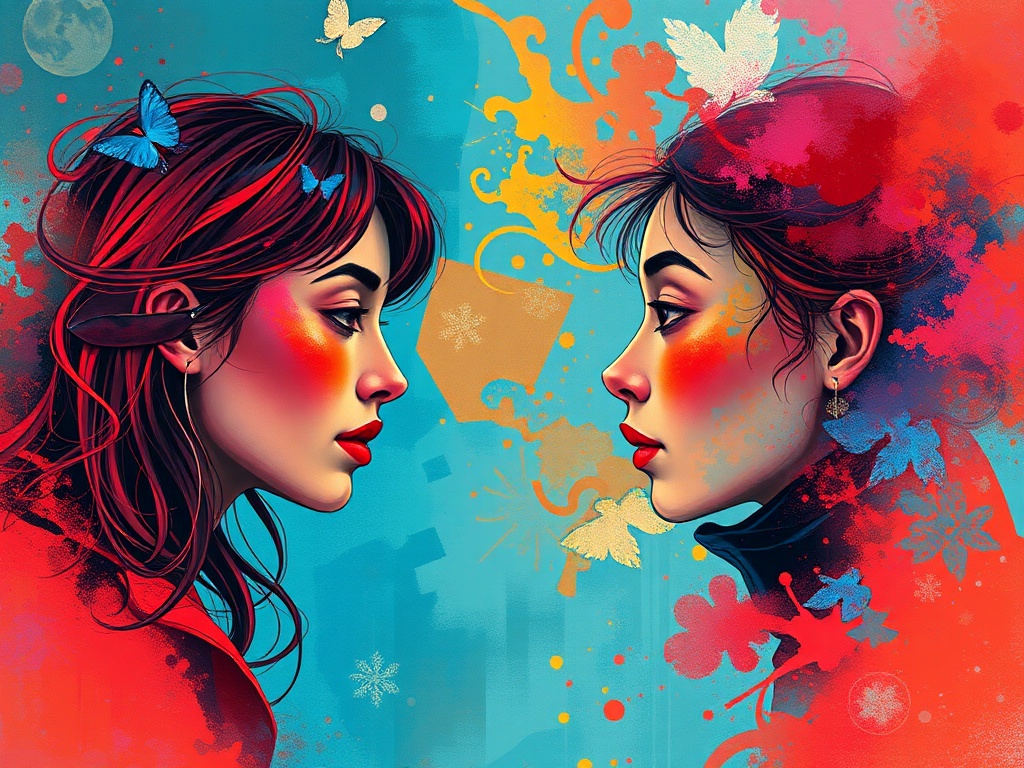
Color sets the emotional tone of your artwork. Warm tones like reds and oranges evoke energy and passion, while cool tones such as blues and greens convey calmness or melancholy. Consider using a limited palette to maintain harmony and coherence in your narrative.
Incorporating Symbolism
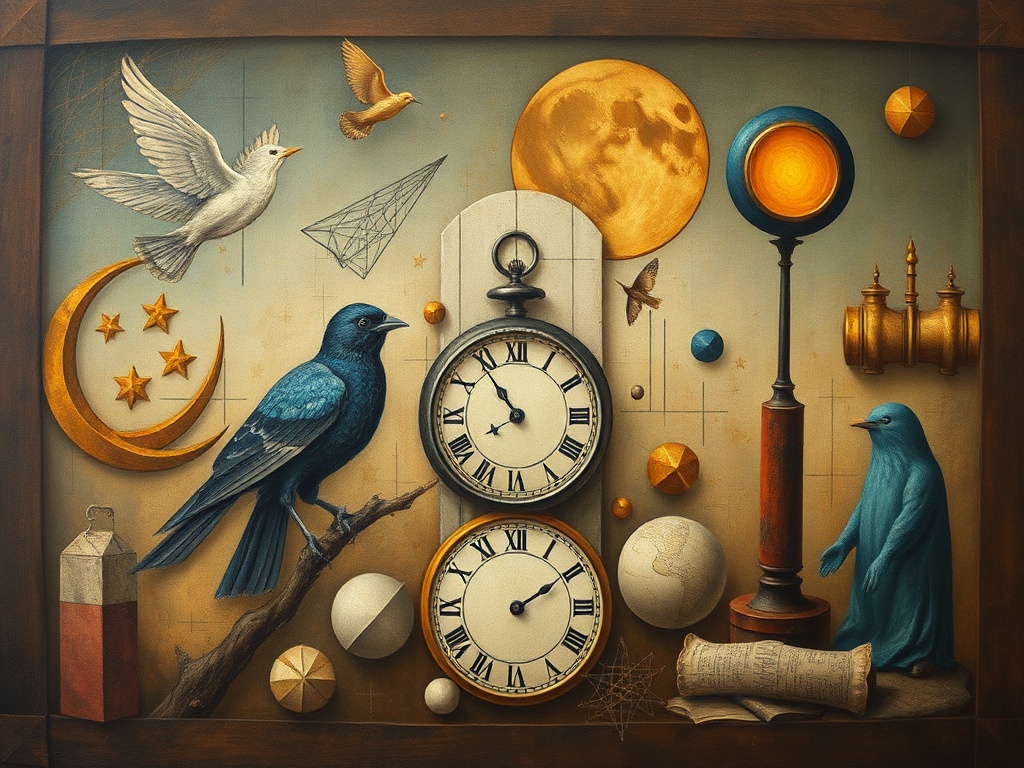
Symbols can add layers of meaning to your story. Think beyond literal representation; objects, colors, or gestures can communicate complex ideas subtly. Research cultural symbolism to enrich your narrative depth.
Sequential Storytelling and Series Work
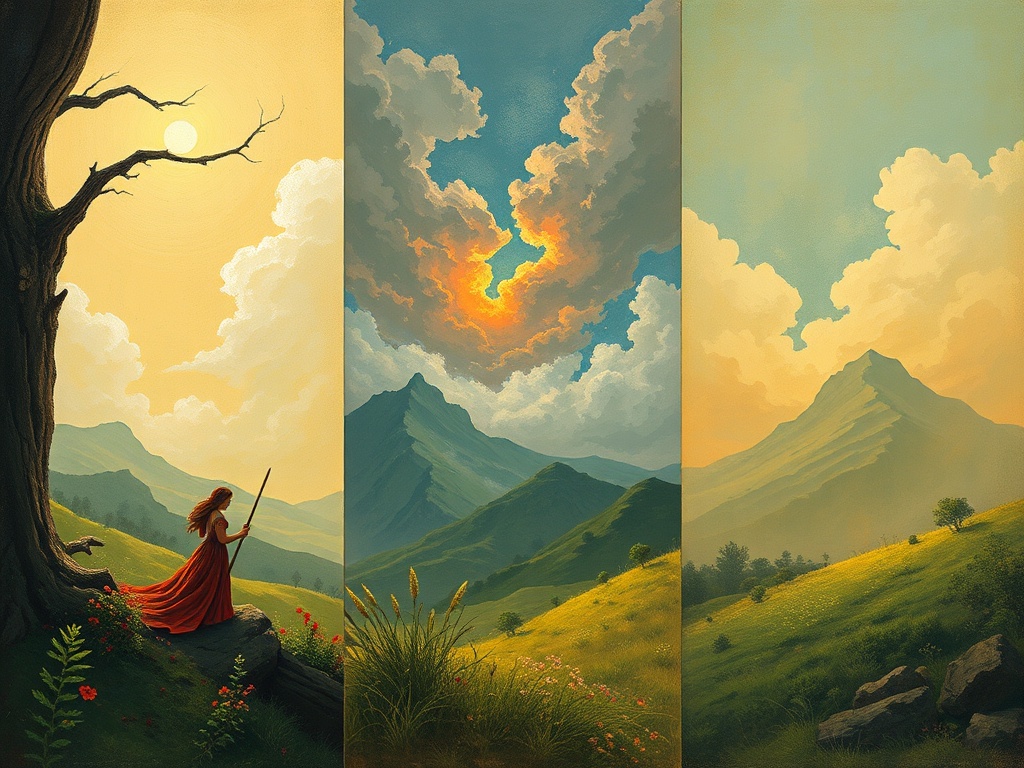
Sometimes, one image isn't enough. Creating a series allows for a more developed narrative. Plan each piece to function independently but also contribute to a cohesive storyline, much like chapters in a book.
Practice and Observation
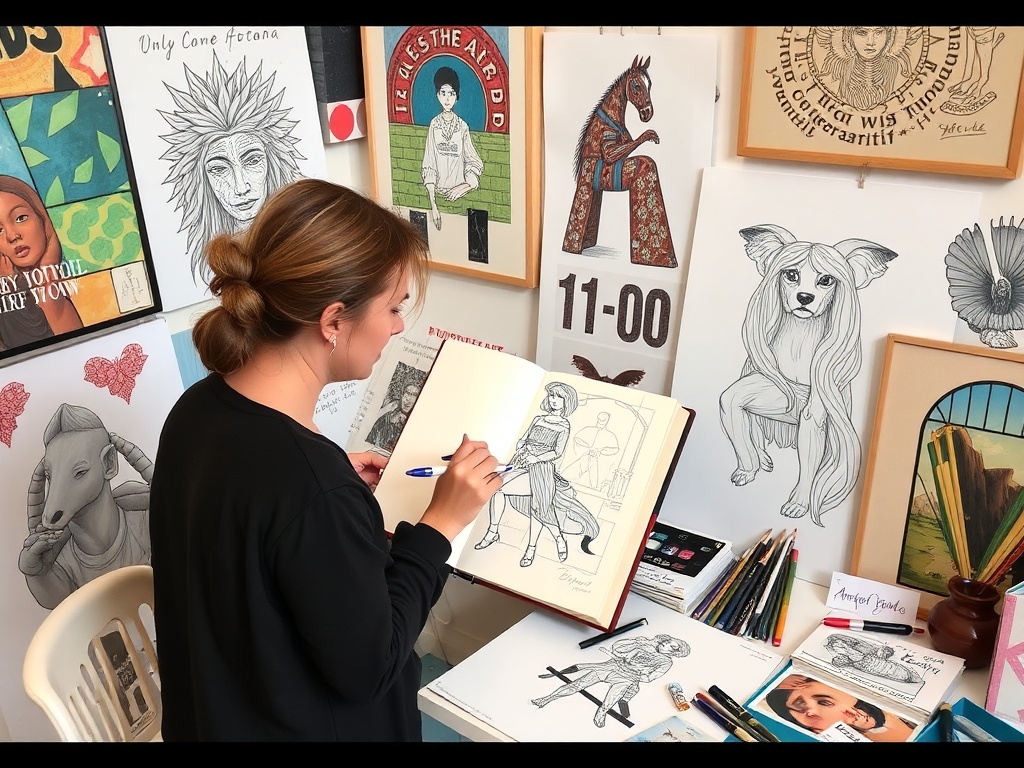
Mastery comes through consistent practice and observation. Sketch regularly, study works of renowned artists, and analyze how they use composition, color, and symbolism to tell stories. Keep a visual journal to experiment with new techniques and ideas.
Conclusion
Visual storytelling is an ongoing journey of experimentation, reflection, and refinement. By focusing on narrative elements, composition, color, symbolism, and sequential work, artists can create pieces that resonate emotionally and intellectually. Regular practice and critical observation will continually improve your storytelling capabilities, turning your art into powerful vehicles of expression.