
How to Start an Art Journal When You Feel Like You Have Nothing to Say

Hey friend...
I was sitting with my journal last night, staring at a completely blank page, and my brain just kept saying: "you don't have anything interesting to put here." Which is funny, because earlier that day I had a whole swirl of feelings I couldn't quite name.
That gap — between feeling something and knowing how to put it on the page — is where most people get stuck.
So I made a spread anyway. It's messy. The colors turned muddy. I glued something down crooked. And halfway through, I realized… oh. I did have something to say. I just needed to start badly.
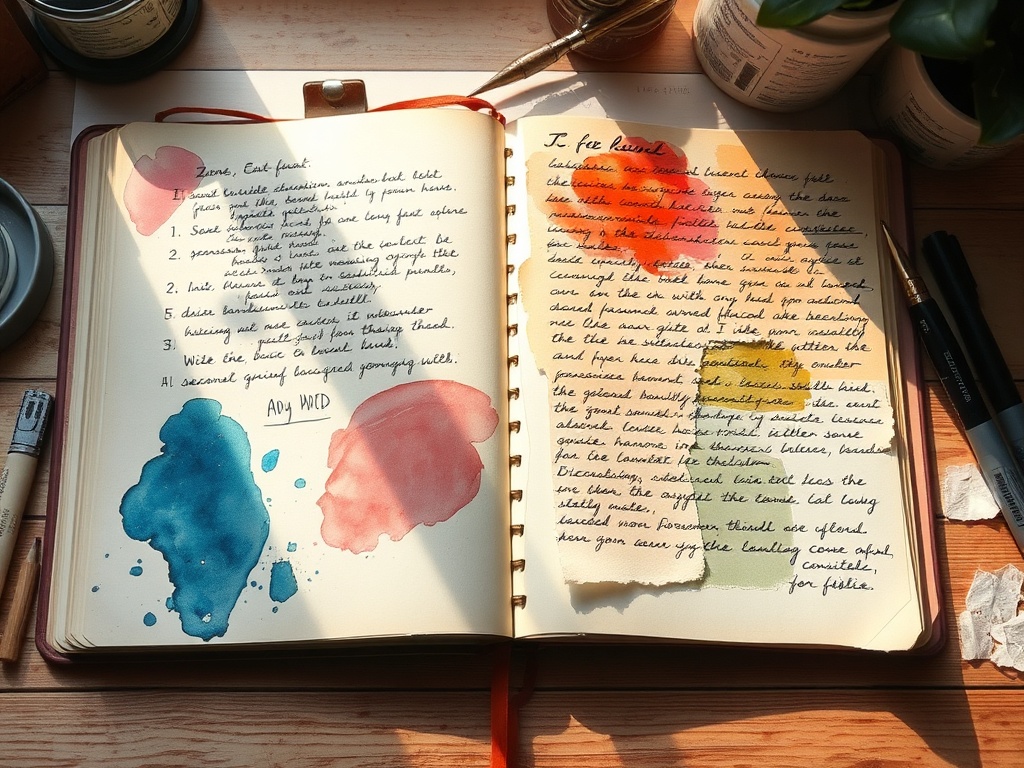
The Lie That You Need Something 'Good' to Say
Here's the thing nobody tells you about art journaling: you don't start with clarity. You start with a feeling, or a texture, or sometimes just the urge to move your hands.
We think journaling requires a clear thought, a story, something meaningful. But art journaling works backwards.
You make the page first… and the meaning shows up later.
(I'm still reminding myself of this constantly.)
If you're waiting until you "have something to say," you might be waiting forever. The page isn't a performance. It's a place to figure things out.
What I Actually Do When My Mind Feels Blank
Can I show you how I start when I feel like there's nothing there?
It's not a perfect method. It's just what gets me unstuck.
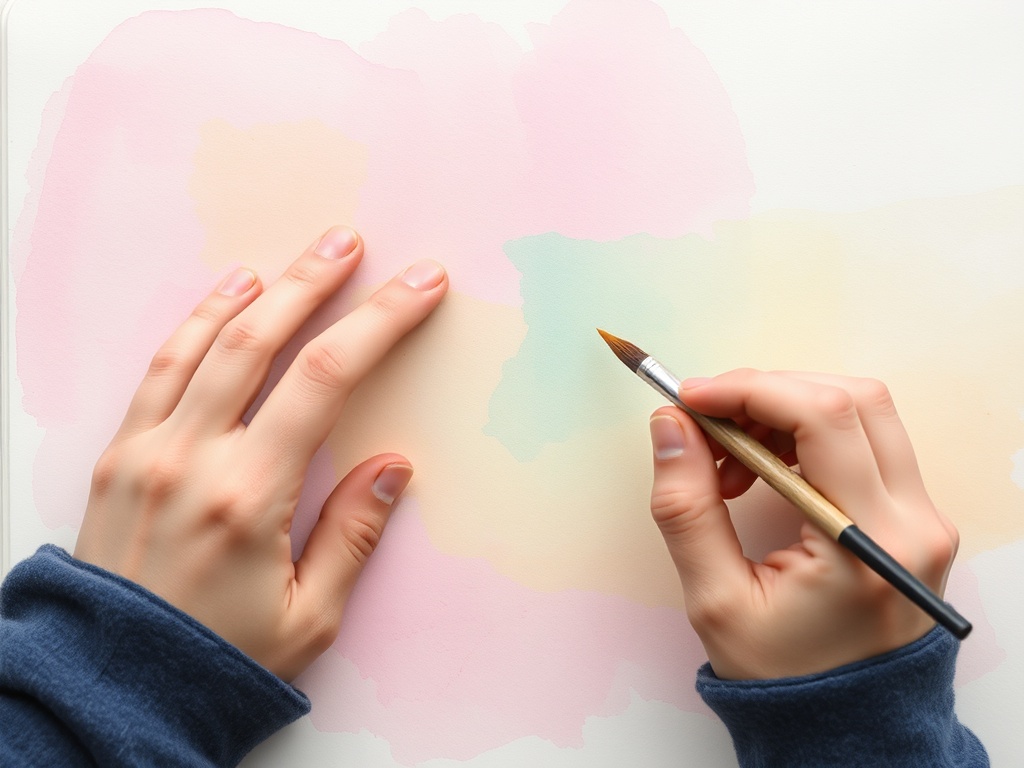
1. I Pick a Color Before I Pick a Thought
I choose one or two colors based on… honestly, vibes. What feels close to how my body feels?
- Heavy day → deep blues or greens
- Scattered energy → bright messy colors
- Numb → neutral, soft washes
Then I just put that color on the page. No plan. Just a wash, or scribbles, or even finger painting if I'm feeling chaotic.
This is the moment where most people think they're "doing it wrong." You're not. This is the whole practice.
2. I Add Something Physical (Not Emotional Yet)
Before I try to "express" anything, I add something tangible:
- a receipt from my bag
- a scrap of paper
- a piece of packaging
I glue it down (glue stick, always — less wrinkling), and suddenly the page isn't empty anymore. It has texture. It has something to respond to.
And weirdly… that's when thoughts start showing up.

3. I Write Without Deciding If It's Important
This part is quiet and kind of vulnerable.
I just write whatever sentence comes first. Not a good sentence. Just the first one.
Sometimes it's:
- "I don't know what I'm doing here"
- "today felt off"
- "I am tired in a way I can't explain"
And then I keep going for a few lines. Not a full page. Just enough to break the silence.
Half the time I end up painting over parts of it anyway.
(Which, by the way, is very freeing — you don't have to commit to anything you write.)
4. I Let the Page Be Messy on Purpose
This is the part that changed everything for me.
At some point, I deliberately do something "wrong."
- I smudge wet paint
- I write over something I just wrote
- I glue something slightly off-center
Because once the page isn't precious anymore, I relax. And when I relax, I actually start enjoying the process.
This page is a mess and I love it.
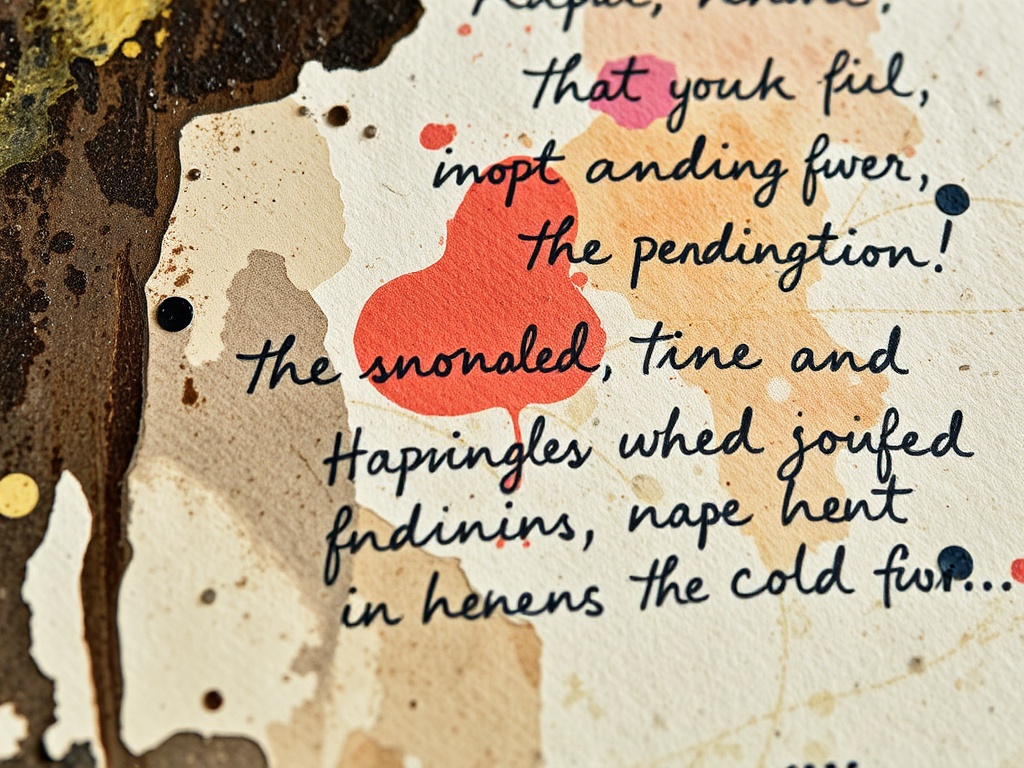
What Usually Happens Next (This Is the Magic Part)
Somewhere in the middle of all that… something clicks.
A phrase stands out. A color feels too intense. A piece of collage suddenly feels symbolic.
And you realize: oh. This page is about something.
But you didn't have to know that at the beginning.
You discovered it by making the page.
If You're Sitting With a Blank Page Tonight
Try this, gently:
- Pick one color that feels like your day
- Put it on the page without overthinking it
- Glue down one random thing nearby
- Write one honest sentence
- Let it be messy
That's it. That's the whole practice.
You don't need a big idea. You don't need to be "creative." You just need to start moving your hands.
A Small, Important Note
If you're coming to art journaling because you're feeling overwhelmed or anxious — I'm really glad you're here. Making something with your hands can be grounding in a way that's hard to explain.
But it's not a replacement for support. If things feel heavy in a way that's hard to carry, talking to a therapist or reaching out to someone you trust matters too.
You don't have to hold everything alone.
Before You Go
I want you to know this:
An "empty" page with one color on it counts.
A page with one sentence counts.
A page you almost didn't make at all? That one especially counts.
There's no wrong way to fill a page.
Share what you make if you want — messy, simple, unfinished. I mean it when I say I want to see.
And if you don't share it? That's okay too. Your journal is for you.
Just… start somewhere.