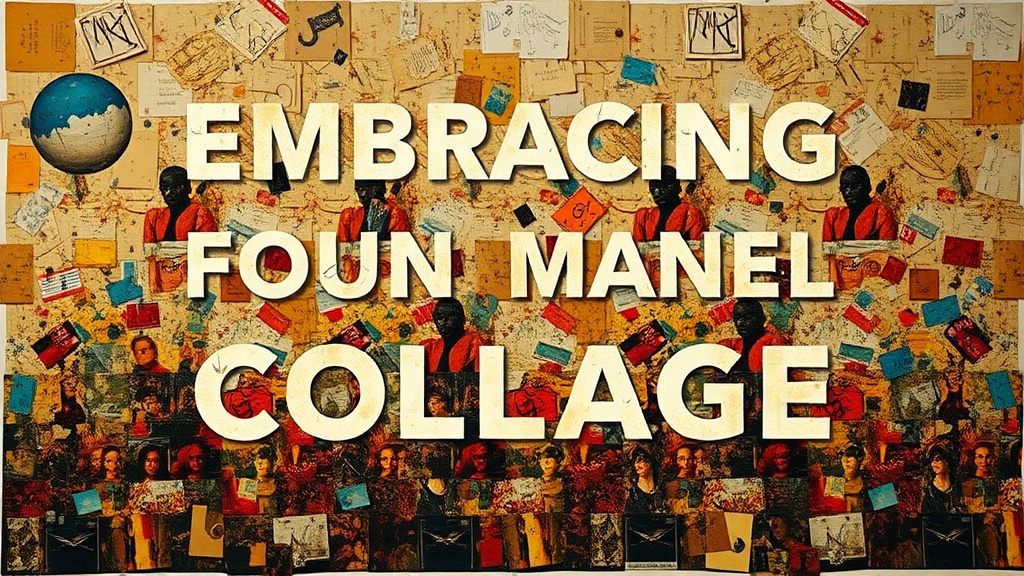
Embracing the Chaos of Found Material Collage

Imagine sitting at your desk with a pile of scraps—a torn piece of a grocery circular, a scrap of brown paper from a delivery box, and a single, faded postage stamp. Most people see trash; an artist sees a potential foundation. Collage isn't about creating a perfectly balanced composition right away. It's about the friction between disparate textures and the way a rough, torn edge can disrupt a smooth surface. This practice teaches us to find value in the discarded and to build something new from the fragments of the old.
When we dive into collage, we often get stuck in the "perfection trap." We want the pieces to fit like a puzzle, but the real magic happens when they clash. A jagged piece of newsprint against a soft watercolor wash creates a visual tension that draws the eye. This isn't just about decorating a page; it's about developing a way to look at the world through a lens of possibility. If you've ever felt intimidated by a blank page, start by ripping something up. There is no way to fail when the goal is simply to assemble.
Can I use non-art supplies for my collage?
The short answer is yes—in fact, you should. Some of the most interesting textures come from things that weren't born in an art store. Think about the heavy weight of a torn cardboard box, the translucency of a dried leaf, or the way a piece of old thread can create a line across a page. Using "found" materials forces you to stop looking for the perfect product and start looking at the potential of what is already around you. This is how you develop a unique visual language that doesn't look like everyone else's.
If you want to experiment with different types of paper, look at the Museum of Modern Art collections for inspiration on how different textures interact. You might find that a piece of vintage ledger paper provides a sense of history, while a brightly colored candy wrapper adds a sudden pop of contemporary energy. The contrast is where the story lives. Don't worry about whether these things "belong" together. Your job is to make them meet.
How do I attach layers without the paper warping?
One of the biggest frustrations for mixed-media artists is the dreaded "buckling page." If you're using heavy acrylic mediums or wet glues, your paper might wave and dip. To avoid this, try using a matte medium or a thin layer of glue stick for lighter scraps. If you're working in an art journal, the weight of the paper matters. If you're using a journal with thin pages, stick to dry collage methods or very light applications of adhesive.
Another trick is to work in stages. Instead of trying to glue everything at once, lay out your pieces first. Take a photo of your layout with your phone so you remember where everything goes. This allows you to adjust the composition without the stress of the glue drying. You can also use Washi tape for a more temporary, experimental approach. It's a low-stakes way to test out how a certain scrap of fabric or paper looks against your background before you commit to a permanent adhesive.
What are the best ways to build texture in a journal?
Texture is the heartbeat of a tactile journal. You can build it through physical objects or through visual illusions. Physical texture comes from things like lace, fabric, or even sand mixed into your paint. Visual texture, on the other hand, comes from the way you layer your media. For example, using a stencil with a dry brush technique creates a sense of depth that feels much more interesting than a flat wash of color.
- Layering Transparent Media: Use vellum or tissue paper to create layers that let the colors underneath peek through. This adds depth without adding bulk.
- Distressing Edges: Don't be afraid to sand down the edges of a piece of heavy paper or use a stencil to create a worn, weathered look.
- Incidental Marks: Use a ballpoint pen or a piece of charcoal to add small, scratchy details over a dried collage piece.
As you build these layers, remember that the goal isn't to make it "pretty." It's to make it felt. A page with a torn, rough edge feels much more honest and human than a perfectly straight, clean-cut edge. If you feel the urge to smooth something out or make it look "correct," stop. Take a breath. That's the moment where you're trying to hide the process, and the process is the most interesting part of your work.
For those looking to understand the history of how these textures have been used in a more formal way, exploring the Tate archives can provide a wealth of visual context. Seeing how masters used texture to evoke emotion can help you realize that your "messy" collage is actually a sophisticated way of communicating. A scrap of paper isn't just a scrap; it's a tool for expression.
Next time you find yourself staring at a pile of junk, don't walk away. Pick up the most "unattractive" thing you see and figure out how it can change the page. The most profound parts of your art practice often come from the parts you were originally afraid to use. Lean into the mess. The mess is where the truth lives.