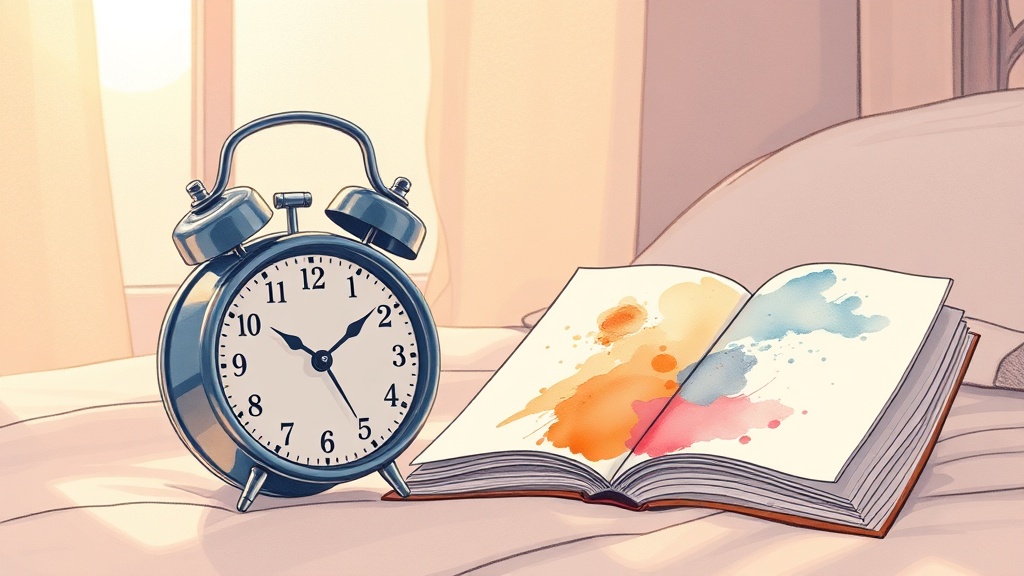
Daylight Saving Time Reset: 7 Science-Backed Sleep Tips

Did the clock jump forward and leave you feeling like a zombie? I felt that way last March when daylight saving time (DST) stole an hour of sleep and turned my evenings into a blur of unfinished sketches. As an art‑journal lover, I rely on calm, well‑rested moments to let the ink flow. Luckily, science offers simple tricks to reset our internal clocks without sacrificing creativity.
Why this matters now
Spring 2026 brings the DST shift on March 9th, and many of us will notice grogginess, mood dips, and a dip in focus. Resetting your sleep schedule isn’t just about feeling awake; it fuels the mental clarity needed for messy, honest journaling — the very practice I champion as self‑care.
1. How can I use morning light to realign my circadian rhythm?
Exposure to natural light within the first hour of waking signals your suprachiasmatic nucleus (the brain’s master clock) to shift earlier. Aim for 15‑30 minutes of bright, preferably outdoor, light. If weather blocks sunshine, a bright‑white light box set to 5,000 lux works just as well.
Pro tip: I place my journal by the window and sketch the sunrise for five minutes. The light + creative act jump‑starts both my brain and my mood.
2. What bedtime routine should I adopt to signal “sleep time”?
Consistency is king. Choose 2‑3 calming actions — like a short art‑journaling session, a cup of herbal tea, and a gentle stretch — then perform them in the same order each night. Signal to your body that it’s time to wind down.
Related: Evening Art Journaling: A Gentle Ritual for Winding Down
3. Should I adjust my caffeine intake after the clock change?
Caffeine blocks adenosine, the chemical that builds sleep pressure. After DST, limit caffeine after 2 pm and consider swapping your afternoon coffee for a caffeine‑free herbal brew.
4. How does meal timing influence my new sleep schedule?
Eating heavy meals late can delay digestion and melatonin release. Aim for a light dinner at least three hours before bed. A warm bowl of bone broth or a small avocado toast pairs nicely with a calming journaling moment.
5. Can a short nap help me bridge the lost hour?
A 20‑minute power nap in the early afternoon can boost alertness without interfering with nighttime sleep. Avoid naps after 4 pm to keep your sleep drive intact.
6. How does temperature affect sleep after DST?
Cooler bedroom temps (around 65 °F or 18 °C) promote melatonin production. If you’re feeling restless, lower the thermostat or use a fan. I love adding a soft, cool‑blue wash to my journal pages — visually reminding me to cool down.
7. What role does “sleep hygiene” play in this transition?
Keep screens out of the bedroom, use blackout curtains, and maintain a dark, quiet environment. Blue‑light‑blocking glasses after sunset can also reduce melatonin suppression.
Takeaway
Resetting after daylight saving time doesn’t have to be a struggle. By harnessing morning light, keeping a soothing bedtime ritual, watching caffeine and meals, taking a brief nap, cooling your space, and polishing your sleep hygiene, you’ll reclaim those lost hours and keep your creative spark alive. Remember: messy pages are beautiful, but a rested mind makes them even more vibrant.
Related Reading
- Sunday Self‑Care: A 20‑Minute Art Journaling Ritual for Rest – a gentle wind‑down practice you can pair with tip 2.
- Evening Art Journaling: A Gentle Ritual for Winding Down – deeper dive into calming night routines.
- The Messy In‑Between: Journaling When You Feel Stuck – for those evenings when sleep still feels elusive.