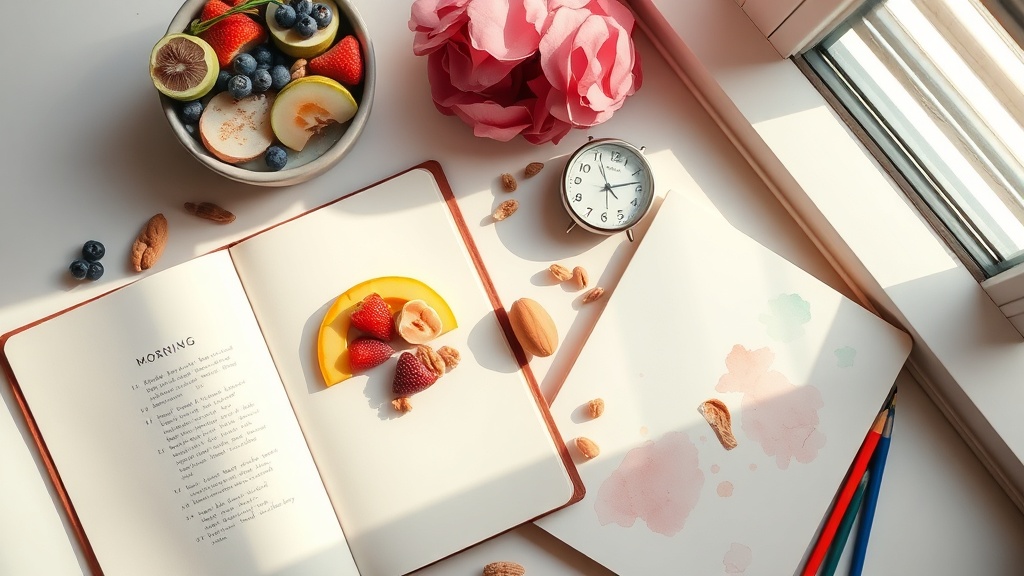
Bio‑Harmony Eating: Personalizing Your Meals to Your Circadian Rhythm in 2026

Hook: Ever felt groggy after breakfast or sluggish by dinner? What if the secret isn’t what you eat, but when you eat it, tuned to your own biological clock?
Context: In 2026, the wellness world is buzzing about “Bio‑Harmony” — a personalized nutrition approach that syncs meals with your circadian rhythm. I’ve been experimenting with this for months, and the results have reshaped my art journaling practice, my mood, and even my sleep.
What Is Bio‑Harmony, and Why Does Timing Matter?
Bio‑Harmony is the idea that our bodies have a built‑in 24‑hour schedule that governs digestion, hormone release, and metabolism. When we eat in sync with that rhythm, nutrients are processed more efficiently, energy stays steady, and stress drops (Harvard Health Publishing, 2025). In short, the clock is a kitchen timer.
How Can I Find My Personal Circadian Profile?
- Identify Your Natural Peaks: Track when you feel most alert and when you crash. I kept a simple journal — noting energy levels every two hours for a week. My peak was 10 am–12 pm, and I hit a low around 8 pm.
- Use a Light‑Exposure Tracker: Apps like ChronoTrack (available on iOS/Android) record light exposure, which is the biggest cue for your internal clock. I started wearing a light‑meter bracelet for three days; it showed I was getting too much blue light after sunset.
- Consider Your Work Schedule: If you’re a night‑owl, your “breakfast” might actually be a mid‑day snack. The key is consistency — eating at the same times each day trains your rhythm.
Which Meals Should I Shift, and How?
1. Breakfast: Fuel the Morning Clock
Question: Should I eat a big breakfast or a light one?
If your body’s cortisol peaks at 7‑9 am, a protein‑rich breakfast (eggs, nuts, Greek yogurt) jump‑starts metabolism. If you’re a later riser, a lighter fruit‑based bowl works better. I switched from a heavy avocado toast to a simple berry‑nut parfait after noticing I felt sluggish by 10 am.
2. Lunch: Bridge the Midday Gap
Question: How does lunch affect my creative flow?
Mid‑day is when insulin sensitivity is highest. A balanced plate of lean protein, complex carbs, and veggies keeps blood sugar steady — perfect for a focused art‑journal session. I now pair a quinoa salad with a drizzle of olive oil right before my afternoon sketch hour.
3. Dinner: Wind Down Without Over‑Fueling
Question: Can dinner ruin my sleep?
Eating a heavy meal after 7 pm spikes melatonin‑blocking insulin, making it harder to fall asleep. I’ve adopted a “light‑and‑bright” dinner: steamed veggies, a small portion of tofu, and a calming herbal tea. It signals my body that it’s time to dim the lights.
4. Snacks: Strategic Mini‑Meals
Question: Are snacks a good idea?
Timed snacks can bridge longer gaps and prevent the dreaded “energy crash.” I keep a handful of almonds or a piece of dark chocolate handy for a 3 pm boost — just enough to keep my creative juices flowing without a sugar spike.
How Does Bio‑Harmony Support My Art Journaling?
When my meals align with my rhythm, I notice three tangible changes:
- Steadier Energy: No more mid‑afternoon “zombie” episodes, so I can sit down for longer journaling sessions.
- Clearer Mind: Balanced blood sugar reduces brain fog, letting me experiment with color without overthinking.
- Better Sleep: A lighter dinner means I fall asleep faster, waking up refreshed for a morning page‑fill.
These benefits echo research from the Chronobiology Society (2025) that links circadian‑aligned eating to improved cognitive function.
Quick Start Checklist: Personalize Your Bio‑Harmony Eating
- Track Your Energy: Use a simple spreadsheet or journal for 7 days.
- Log Light Exposure: Install a light‑tracker app.
- Map Meal Times: Align breakfast, lunch, dinner, and snacks with your peak/low periods.
- Adjust Portion Size: Bigger meals during high‑metabolism windows, lighter meals during low‑metabolism windows.
- Review After Two Weeks: Note mood, energy, and creative output. Tweak as needed.
Related Reading
- 2026 Art Journal Trends: Fresh Ideas to Keep Your Pages Vibrant — See how wellness habits can inspire fresh journal themes.
- Spring Minimalism: 5 Simple Steps to Declutter Your Art Journal — Pair a decluttered workspace with a decluttered diet.
- Evening Art Journaling: A Gentle Ritual for Winding Down — Complement your light‑friendly dinner with a calming night‑time ritual.
Takeaway
Your body’s clock is a silent guide to when you should eat. By listening to it, you can boost energy, sharpen focus, and nurture the creative practice that fuels your art journal. Start small: note your energy peaks, shift one meal, and watch the ripple effect on your pages.
Remember: There’s no wrong way to fill a page — and now there’s no wrong way to fill your plate.